Soil Amendments & Potting Mixes in Pakistan
Buy soil amendments and potting mixes in Pakistan to fix the three problems that kill most container plants: poor drainage, low airflow and uneven moisture. Organic Baghbani stocks pumice stone, perlite, vermiculite, cocopeat, coco chips, LECA balls and ready-to-use potting mixes for succulents, aroids, bonsai and vegetables.
Standard garden soil compacts in pots, holds too much water and starves roots of oxygen. The right amendment loosens it, drains the excess and keeps moisture where roots need it. Blend your own mix from raw ingredients, or pick a ready mix and repot the same day.
- Prevent root rot: Drain excess water with porous pumice, perlite and LECA.
- Boost root oxygen: Keep permanent air pockets around the roots so they grow thick and fibrous.
- Fix any soil: Loosen heavy clay or help fast-drying pots hold moisture.
Which Soil Amendment Do You Need?
Match the amendment to your plant first. This table shows what each one does best.
Soil Amendment | Main Job | Water Retention | Aeration | Best For |
|---|
Pumice Stone | Permanent drainage and pot stability | Low to Medium | Very High | Succulents, cacti, adenium, bonsai |
Perlite | Lightweight soil loosening | Low | Very High | Houseplants, cuttings, annuals |
Vermiculite | Moisture and nutrient holding | Very High | Medium | Seed starting, ferns, calatheas |
Cocopeat | Fluffy organic base | High | Medium | Vegetable beds, general potting mixes |
Coco Chips | Chunky airflow, bark substitute | Medium to High | High | Orchids, monsteras, philodendrons |
LECA Balls | Drainage layer, semi-hydroponics | Low | Very High | Hoyas, indoor trees, semi-hydro setups |
Inorganic Soil Amendments for Drainage and Aeration
Mineral amendments keep their structure for years, so your potting mix stays loose after hundreds of waterings.
Pumice Stone
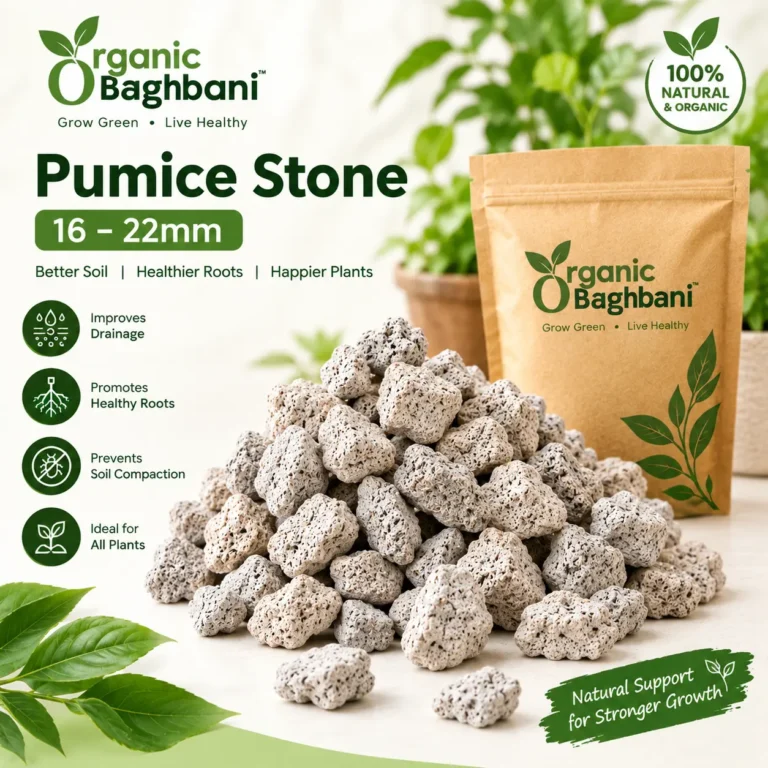
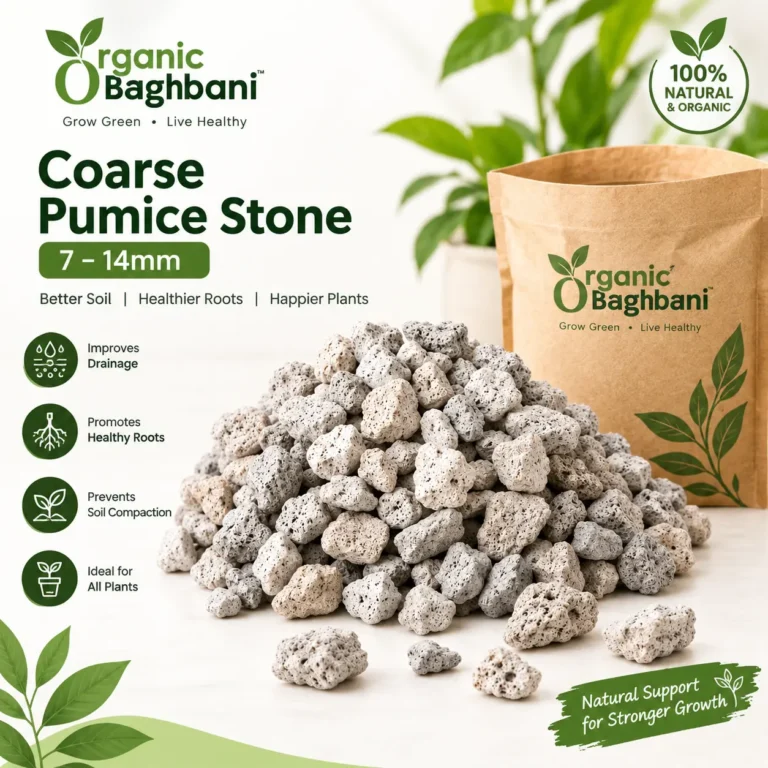
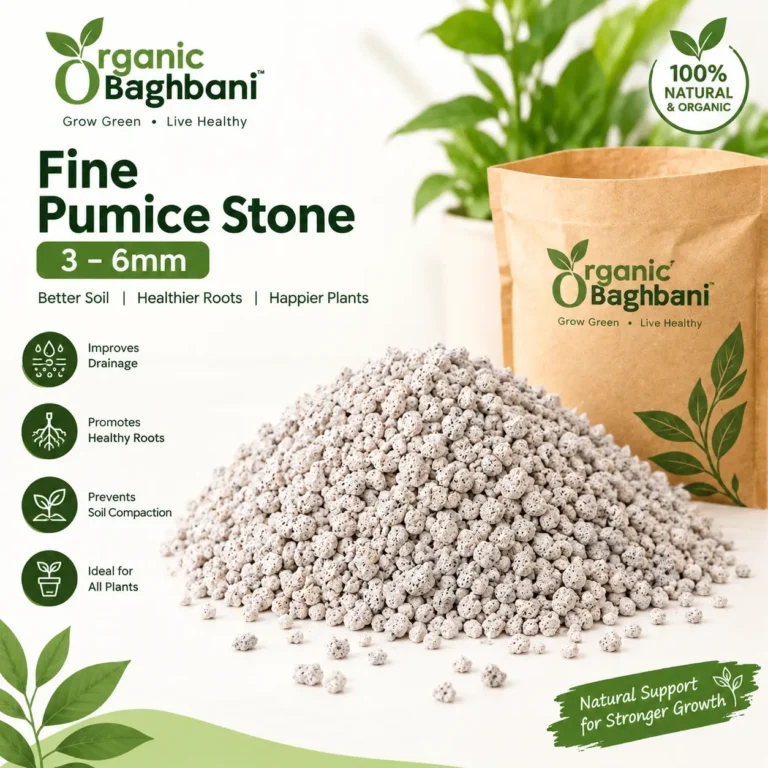
Pumice is a lightweight volcanic rock full of tiny pores. It adds permanent air space, anchors tall plants, and holds a little water and nutrients in its pores while the excess drains out. Unlike perlite, it rarely floats to the surface when you water. That makes it the top drainage amendment for cacti, succulents, adenium and bonsai.
Choose from three grades: Fine 3–6 mm, Coarse 7–14 mm and Coarse 16–22 mm. Buy in 1 kg to 25 kg packs, with discounts on bulk orders.
Perlite
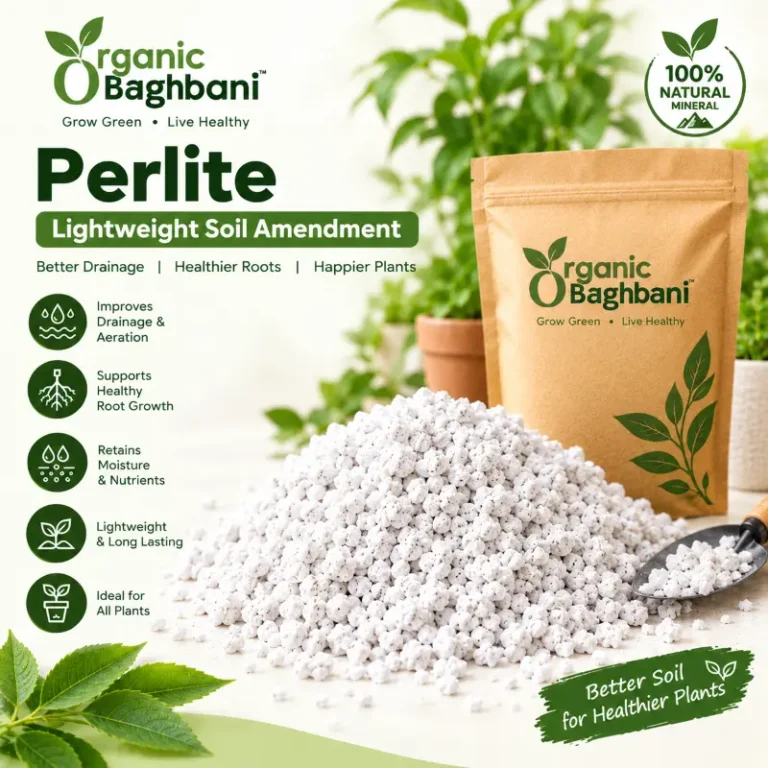
Perlite is expanded volcanic glass that weighs almost nothing. It breaks up dense potting soil, speeds up drainage and gives seedlings and houseplants a breathable root zone. Choose perlite for hanging baskets and seed trays, where weight matters.
Vermiculite
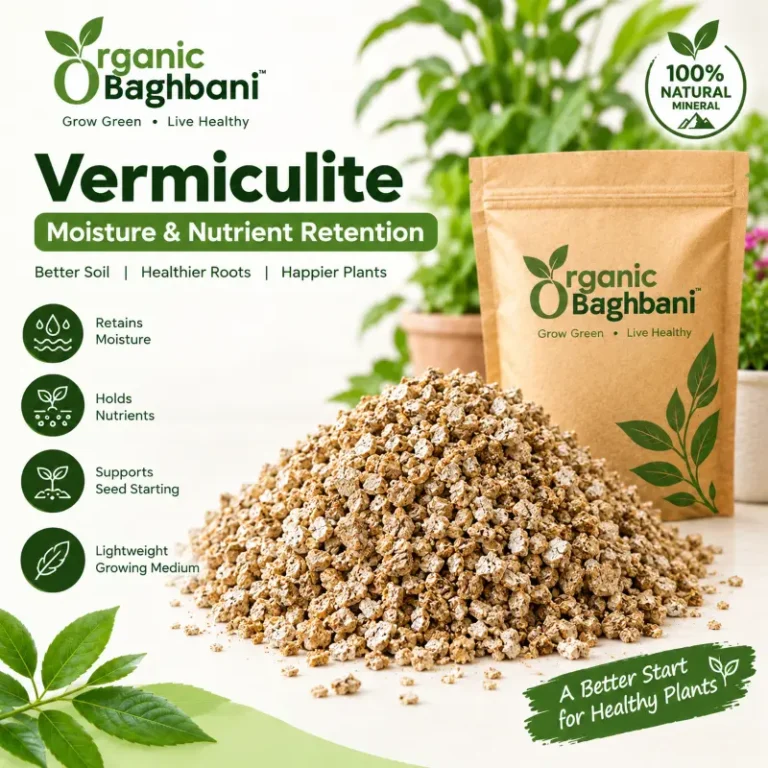
Vermiculite is a mineral that expands when heated and works like a sponge. It absorbs water and dissolved nutrients, then releases them slowly around the roots. Use it in seed-starting mixes and propagation trays, and for moisture-loving plants such as ferns and calatheas.
LECA Balls (Expanded Clay Pebbles)
LECA pebbles are baked clay balls that pull water upward through capillary action. Lay them at the bottom of planters as a drainage layer, or use them as a clean, reusable medium for semi-hydroponic indoor plants. Roots stay above standing water.
Charcoal
Horticultural charcoal is a carbon-based additive for closed terrariums and drainless planters. It helps absorb odors and impurities, so the mix stays fresher for longer.
Organic Soil Conditioners for Moisture and Texture
Organic conditioners form the base of modern soilless potting mixes. They soften hard soil, hold moisture evenly and feed beneficial soil microbes.
Washed Cocopeat (Coir Pith)
Washed, low-EC cocopeat gives you a clean, fluffy base with a slightly acidic to neutral pH. It absorbs up to eight times its weight in water, stays loose for a long time and rehydrates quickly after drying out. Use it in vegetable beds, seed mixes and general potting blends.
Coco Husk Chips
Coco chips copy the bark habitat of epiphytic plants. They create air pockets and still store moisture, so orchids, monsteras, philodendrons and anthuriums root strongly in them.
Sphagnum Peat Moss
Peat moss has a fine, fibrous texture and an acidic pH. Use it to lower the pH of alkaline soil, support acid-loving plants and keep humidity steady around delicate cuttings.
Ready-to-Use Potting Mixes
Skip the measuring and repot straight away. Each mix balances drainage and moisture for one plant type.
- Succulent & Cactus Gritty Mix: Combines coarse pumice, perlite and gritty minerals to copy desert soil. It dries fast between waterings and protects roots from rot.
- Chunky Indoor Aroid Mix: Combines coco chips, horticultural charcoal, coarse perlite and compost. It delivers the airflow that thick aerial roots need.
- Professional Bonsai Mix: Uses screened pumice, lava rock and hard particles to drain water fast and encourage fine, dense roots in shallow trays.
How to Mix Your Own Fast-Draining Potting Soil at Home
Combine a moisture base, an aeration mineral and an organic nutrient source such as vermicompost. All ratios below are by volume.
- Succulents and cacti: Mix 50% pumice stone, 25% coarse sand or perlite and 25% compost or cocopeat. Water drains within seconds, so roots stay dry between waterings, even in humid monsoon weather.
- Tropical indoor plants and aroids: Mix 40% cocopeat, 30% perlite or pumice, 20% coco chips and 10% vermicompost. Add a handful of horticultural charcoal. This chunky blend keeps roots damp but well oxygenated.
- Heavy clay garden beds: Fork about 20% coarse pumice and 25–30% compost into the top 15 cm (6 inches) of your soil. This breaks up hardpan clay and stops water from puddling on the surface.
Fast Delivery Across Pakistan
Organic Baghbani sources its products from certified dealers. After you place an order, our team calls you to confirm it. We pack and dispatch the same day or the next day, and your parcel reaches you in 2–4 working days. Customers in major cities can get same-day delivery through our dealers. For bulk quantities or help choosing the right amendment, message us on WhatsApp at 03119073909.