Popular Products


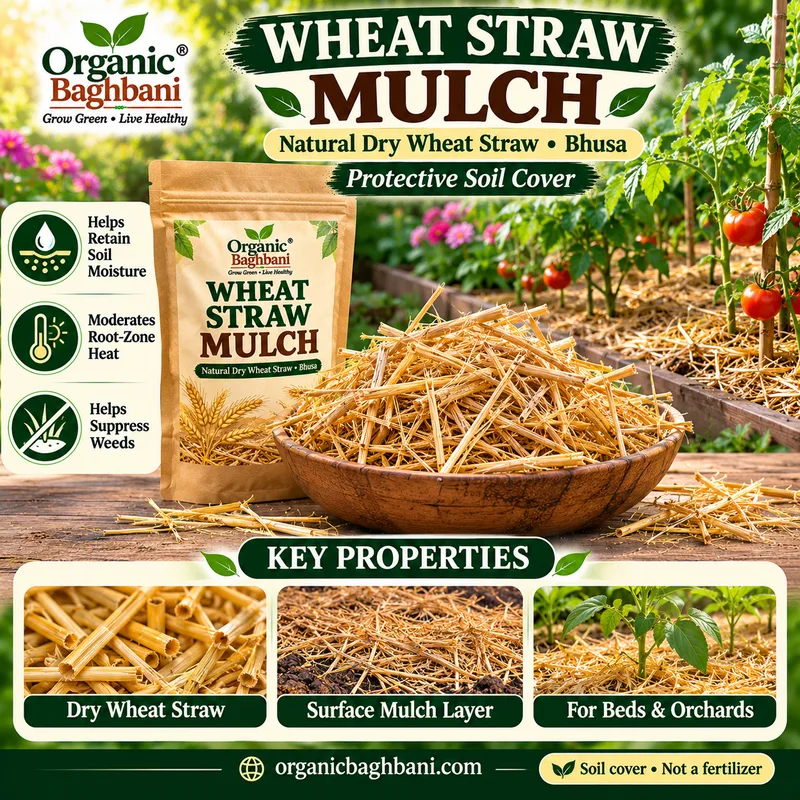
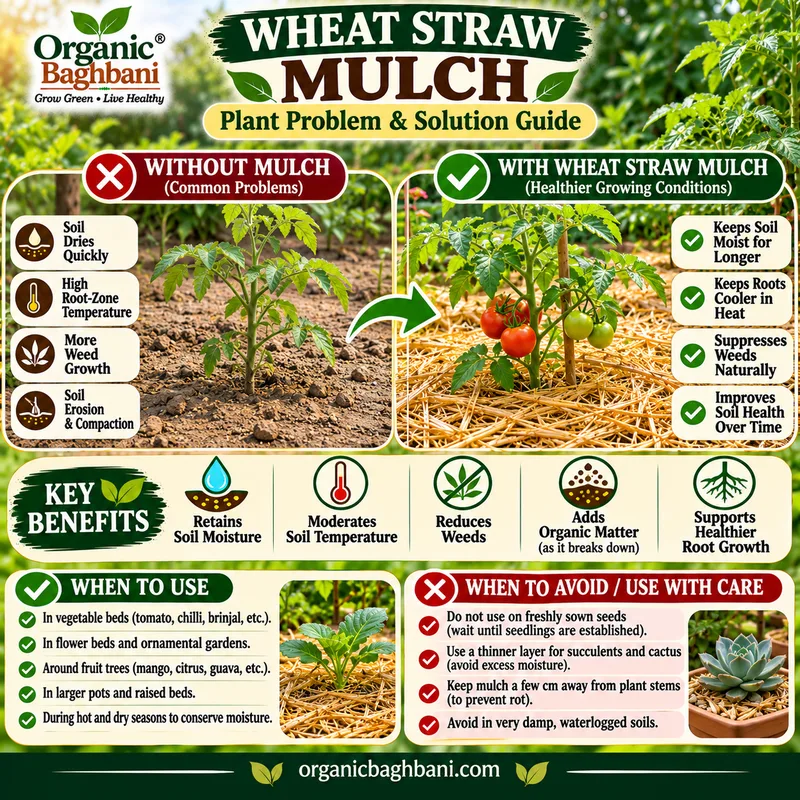
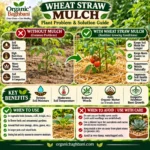
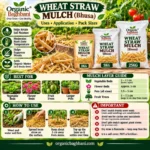
Dry, natural straw from the wheat plant, spread over the soil as a protective cover (ملچ, mulch) to slow water loss, soften heat on the roots and make it harder for weeds to get light. It is a soil cover, not a fertiliser and not a pest control, and it is sold here for garden use rather than as animal feed.
How Your Order Reaches You 🌿
Live step-by-step process from our store to your doorstep across Pakistan
Meaning of Wheat Straw Mulch in Urdu is “گندم کے بھوسے کی ملچ” گندم کی کٹائی کے بعد بچنے والے خشک تنوں سے بنی مٹی کی حفاظتی تہہ. In the garden, you spread it over the soil so the surface stays shaded, cooler and less crusty between waterings.
It is the dry, hollow stalk left behind once the wheat grain has been harvested. The straw is lightweight, loose and springy, so it is easy to carry up to a roof garden and easy to spread around plants.
| Question | Answer |
|---|---|
| What is it? | Dry wheat straw (بھوسہ), the stalks left after the grain is harvested, sold for garden mulching. |
| What type of product is it? | A natural plant-based soil cover. |
| What does it do? | Shades the soil to slow evaporation, softens temperature swings and makes it harder for weeds to get light. |
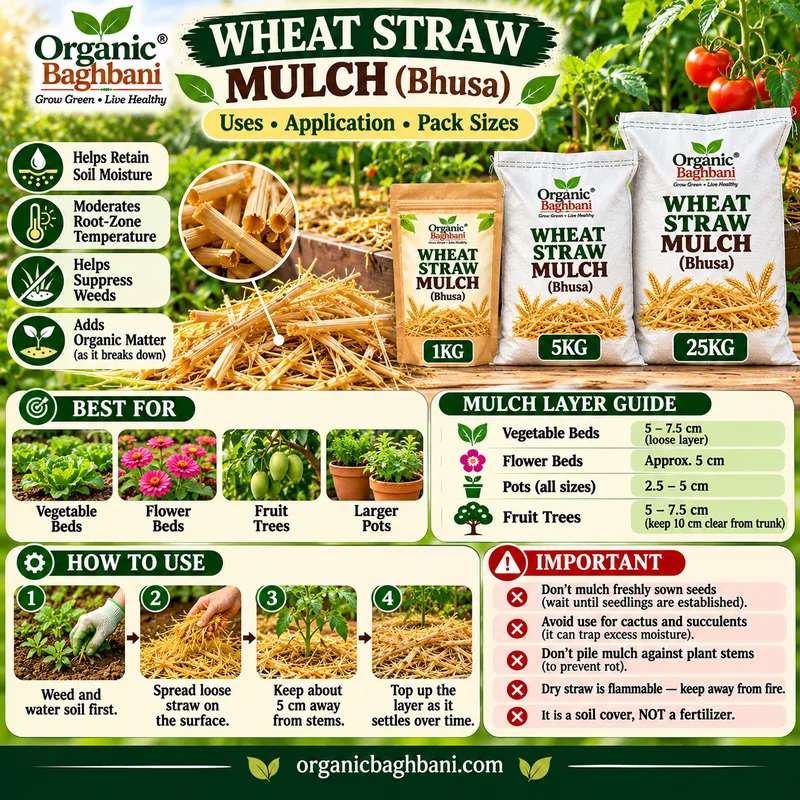
| How much should you use? | A loose layer of about 5–7.5 cm (2–3 in) in beds, thinner in pots. These are starting points. |
| Which pack sizes? | 1, 5, 10 and 25 kg. |
| What is it not for? | It is not a fertiliser, not a pest control and not for sowing seed into. Keep it off cactus and succulent pots. |
Summer heat in most of Pakistan can bake bare مٹی (soil) within hours of watering. Sandy soil lets water drain away fast, while heavy soil cracks and forms a hard crust, and either way the جڑیں (roots) pay the price. A layer of straw acts like a roof over the soil: the sun does not hit the surface directly, so less water is lost to evaporation and the top few centimetres stay more even in temperature.
The monsoon brings the opposite problem. Heavy rain can splash and pack down uncovered soil, and a loose straw cover helps break the fall of the drops so the surface stays open. Gardeners who type “mulch near me” are usually looking for small, easy-to-carry packs they can order without a bulk contract, and you can browse our full range in Mulches & Soil Conditioners.
Results depend on your soil, your plants and your watering.
These are conservative starting points. Adjust after a week or two based on how your soil and plants respond.
| Use | Starting amount | Notes |
|---|---|---|
| Vegetable beds (سبزیاں) | Loose layer of 5–7.5 cm | Spread after watering; keep a gap of about 5 cm around each stem. |
| Flower beds | Loose layer of about 5 cm | Top up as it settles. |
| Pots (گملے) | Thin layer of 2.5–5 cm | Keep the straw off the stem. Not for cactus and succulent pots. |
| Fruit trees (پھلدار درخت) | Ring of 5–7.5 cm out to the drip line | Keep a gap of about 10 cm from the trunk. |
| Rooftop gardens and nurseries | Loose layer of 5 cm | Mulch only once seedlings are established. |
| Freshly sown seed | None | Do not cover seed beds with straw; wait until seedlings are up. |
| Material | Main job | How it differs |
|---|---|---|
| Wheat straw (this product) | Surface cover to hold moisture and limit weeds | Light, long stalks that do not feed plants directly. |
| Rice Husk | Aeration, mulch and compost bulking | Smaller, coarser pieces that are slow to break down; better mixed into media than spread as a thick blanket. |
| Organic Compost | Feeds the soil | Decomposed leaves, food waste and manure; it nourishes, while straw only covers. Use a thin layer under the straw. |
| Vermicompost | Granular worm-processed soil feed | A concentrated top-dressing; straw is the bulky cover that goes on top. |
A mulch is a layer of material applied to the soil surface. It forms a barrier between the soil and the air, which reduces evaporation, and the air trapped between straw stalks slows heat moving in and out of the soil. Light is blocked at the surface, so many weed seeds struggle to sprout. You can read the general background on how mulches work in the Mulch article on Wikipedia.
Straw is also a high-carbon material. While microbes break it down they can temporarily draw some nitrogen from the soil right at the surface, which is why we suggest a thin layer of compost underneath and why you should not mix large amounts of fresh straw into the root zone. Very thick layers can also block light rain and reduce oxygen in the soil, so more is not always better.
| Pack Size | Effective Rate | Pack Price | Select |
|---|---|---|---|
1kg | ₨ 300 / KG | ₨ 300 | |
5kg | ₨ 200 / KG | ₨ 999 | |
25kg | ₨ 96 / KG | ₨ 2,400 |
| Specification | Detail |
|---|---|
| Product | Dry wheat straw for garden mulching |
| Brand | Organic Baghbani |
| Material | Wheat plant straw (the stalks left after the grain is harvested) |
| Form | Dry straw, sold by weight |
| Claim | 100% natural plant material |
| Primary use | Surface mulch to reduce water loss and limit weeds |
| Suitable for | Vegetable beds, flower beds, pots, fruit trees, nurseries, rooftop gardens |
| Not ideal for | Fresh seed beds, cactus and succulent pots, use as a fertiliser or pest control, animal feed |
| Pack sizes | 1 kg, 2 kg not offered; available in 1, 5, 10 and 25 kg |
| Category | Mulches & Soil Conditioners |
| Origin | Pakistan |
| Bulk orders | Special discount on bulk quantity. WhatsApp or call 03119073909 |
People also search for: Wheat Straw Mulch, Wheat Straw Mulch Price in Pakistan, Best Mulches & Soil Conditioners for Gardening, Seed Starting & Potting Soil Mix.
At Organic Baghbani, we believe in nurturing nature the way it was meant to be. Our mission is to help Pakistani gardeners, farmers, and plant lovers grow healthier, greener plants without relying on harsh synthetic chemicals. All our organic fertilizers and soil amendments are carefully prepared to deliver maximum nutrients directly to your plants' roots.
Bring your garden back to life with 100% natural nutrition.
🌿 100% Natural & Safe: Completely free from toxic chemicals, making it safe for your family, pets, and the environment.
🌱 Improves Soil Health: Restores natural microbes in the soil, ensuring long-term fertility and explosive plant growth.
📦 Fast Nationwide Delivery: Secure and prompt shipping right to your doorstep, anywhere in Pakistan.
👨🌾 Premium Quality Guaranteed: Lab-tested and specifically suited for the harsh Pakistani climate.
No account yet?
Create an Account


Reviews
Clear filtersThere are no reviews yet.